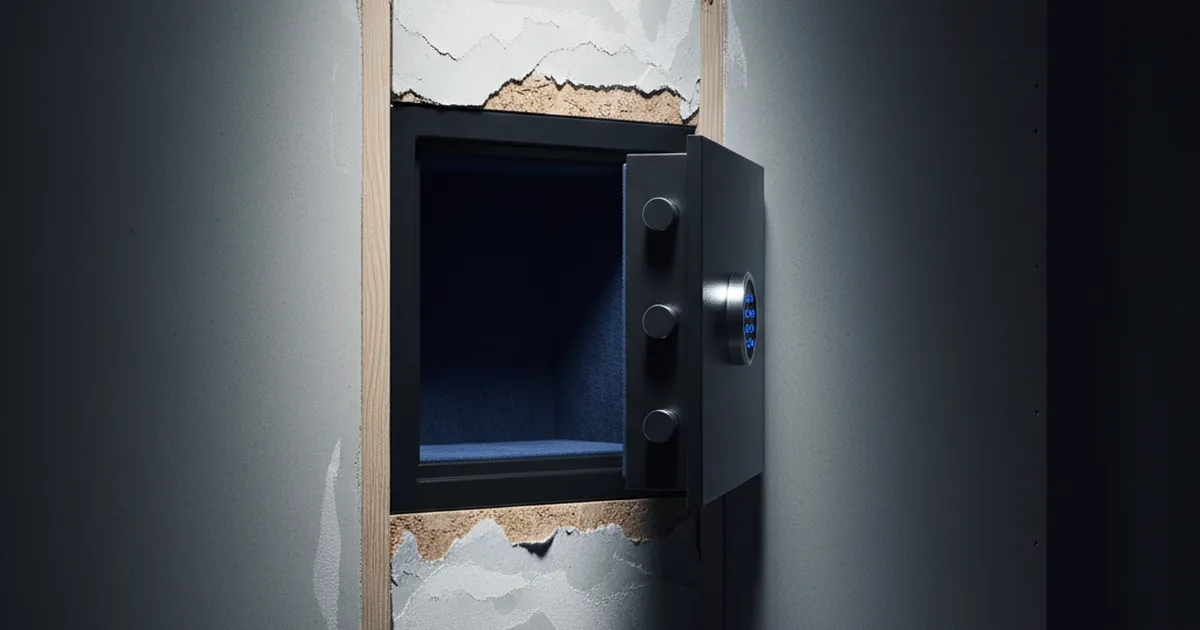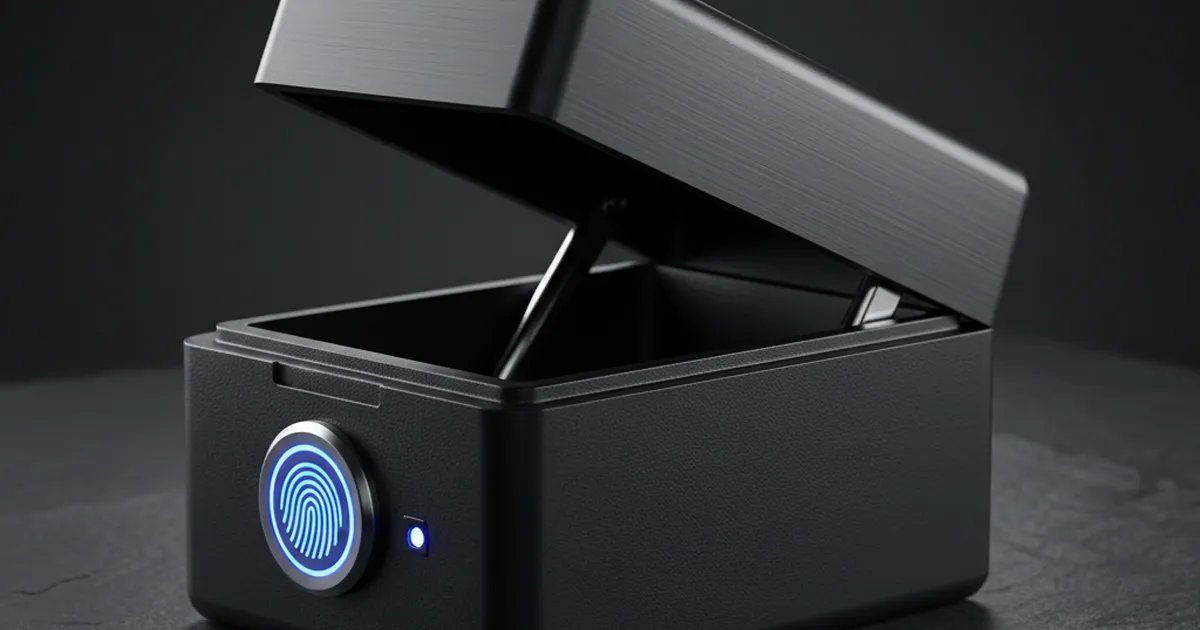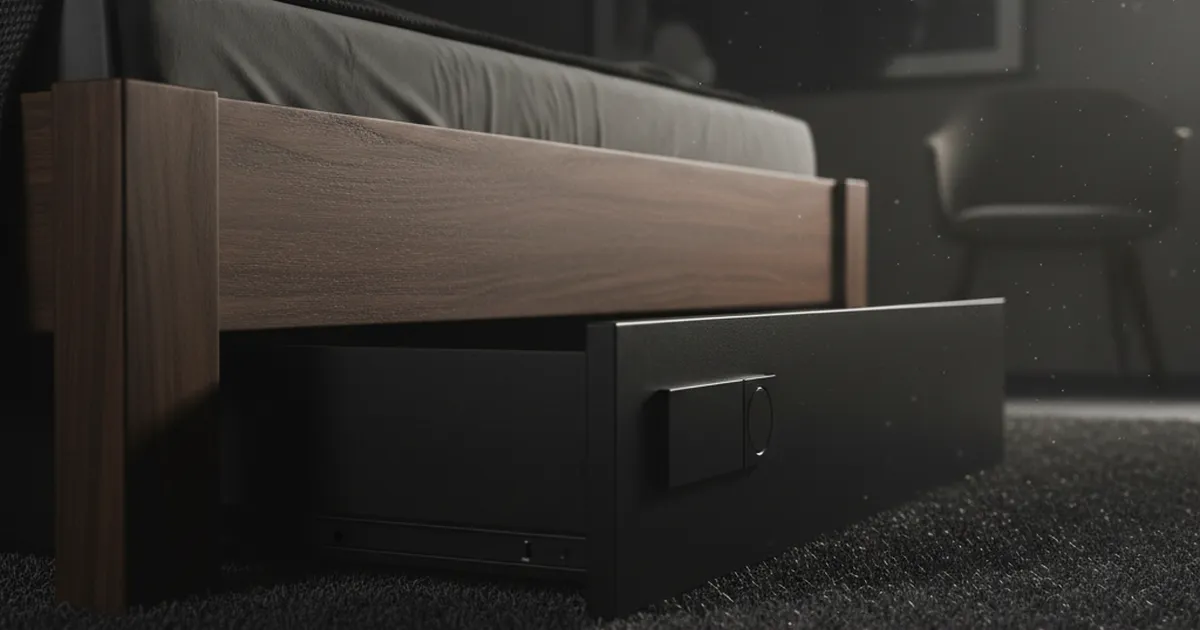

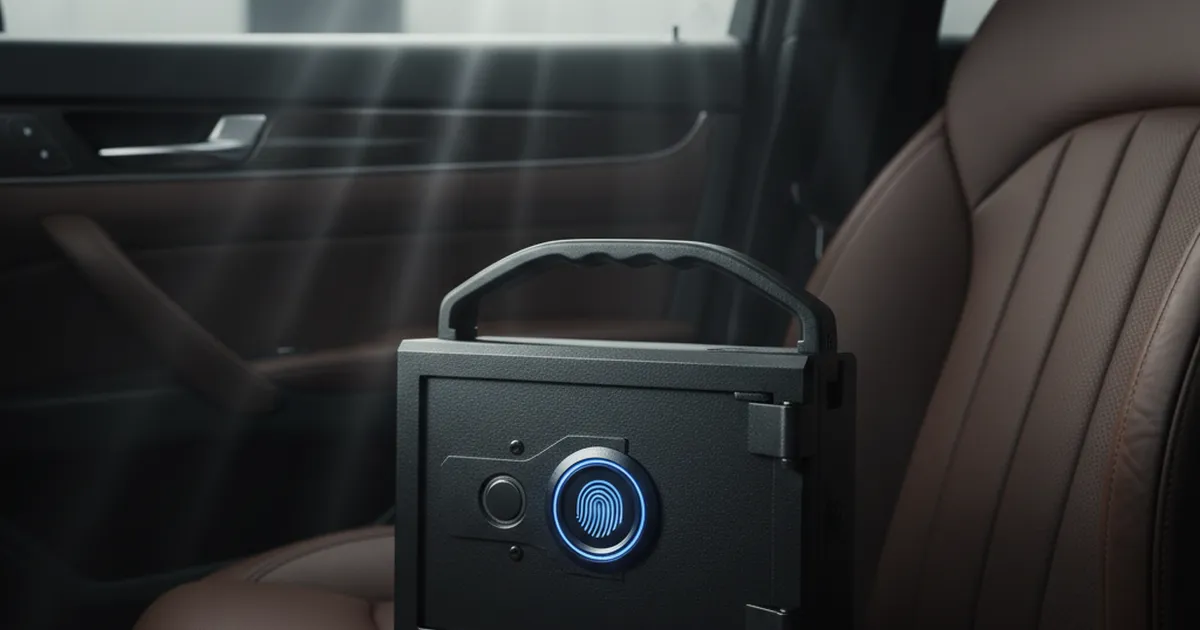

A car gun safe has one job most people underestimate: keep a firearm secure from a smash-and-grab while still letting you reach it fast when it matters. A car gun safe is a compact lockbox or bolt-in vehicle safe designed to secure a handgun inside a vehicle — either as a portable case you carry in and out, or a steel safe permanently mounted in the console, under a seat, or to the frame. Get the balance wrong and you've either left a pistol a thief can pocket in seconds, or locked it where you can't get to it.
Key Takeaways
- Two real categories: portable lockboxes (grab-and-go, TSA travel) and permanent vehicle-mount safes (anti-theft, bolted in). Pick by whether the gun lives in the car or travels with you.
- A security cable is non-negotiable for portables. An unsecured lockbox is a box a thief carries off to open later. Loop the cable to a seat frame.
- Biometric beats keypad for speed under stress, but always confirm a backup (keypad or key) — heat, cold, and dead batteries are real in a vehicle.
- Heat is the hidden enemy. A parked car interior can exceed 130–160°F; check that the lock electronics and any battery are rated for it.
- Legal note: transport and storage laws vary by state. A locked container is the baseline most states expect — verify your own state's rules.
What Makes a Good Car Gun Safe?
The honest answer is that "best" depends on whether you're securing a gun that lives in the vehicle or one that travels with you. Those are different products, and most disappointing purchases come from buying one when you needed the other.
Four things separate a real car safe from a glorified lunchbox:
- Anchoring. A portable safe is only as secure as what it's cabled to. The best portables ship a braided steel cable; the best permanent safes bolt to the frame or drop into a machined console cavity.
- Access method + speed. Biometric (capacitive) readers open in well under a second and don't need light; RFID touch-free systems are even faster for a mounted safe; keypads are reliable but slower under stress; keyed boxes are the slowest.
- Build and pry resistance. Carbon or alloy steel with an anti-pry lip resists a quick attack. Thin sheet-metal boxes are for legal compliance, not security.
- Environmental rating. Vehicle interiors swing from sub-freezing to oven-hot. Electronics, batteries, and seals need to survive both, and a water-resistant rating helps in a truck bed or trunk.
| Safe | Type | Access | Anchoring | Price |
|---|---|---|---|---|
| Vaultek LifePod 2.0 | Portable | Biometric + keypad + key | Cable | ~$170 |
| TactiBeaver SHALE XL | Portable | Biometric + key | Cable | $79.99 |
| Hornady RAPiD Vehicle | Vehicle-mount | RFID touch-free + keypad | Bolt + cable | ~$227–$307 |
| Console Vault | Permanent console | Key / combo (model-specific) | Drop-in + bolt | ~$319–$472 |
1. Vaultek LifePod 2.0 — Best Portable Car Safe Overall
The Vaultek LifePod 2.0 is the one most "best car gun safe" lists land on, and the reputation is earned. At about 3.2 lbs it's a rugged, water-resistant, airtight case that holds a full-size handgun plus a spare magazine, opens by biometric scan, backlit keypad, or key, and meets TSA guidelines for flying with a firearm. At roughly $170 it's not cheap, but it's the most versatile grab-and-go option — equally at home in a center console, a backpack, or checked luggage. The trade-off: it's a portable case, so security comes down to cabling it to something solid; it won't stop a determined thief with time the way a bolted-in steel safe will.
2. TactiBeaver SHALE XL — Best Value
If the LifePod's price is the sticking point, the TactiBeaver SHALE XL ($79.99) covers the same core job for under half the money. It's a drill-resistant carbon-steel biometric pistol safe sized for two full-size handguns, with a 0.2-second fingerprint scanner and a carry handle that makes the grab-and-go use case obvious. You give up the LifePod's explicit TSA marketing and water-resistant rating, so for air travel or wet conditions the Vaultek is the safer call — but for a daily console or under-seat box where biometric speed and a real steel shell matter more than a travel certification, the SHALE XL is the value pick.
3. Hornady RAPiD Vehicle Safe — Best Mounted Quick-Access
When the gun stays with the vehicle and you want it instantly, the Hornady RAPiD Vehicle Safe (MSRP ~$227–$307) is built for exactly that. Its RFID system opens the safe touch-free with a wristband, sticker, or key fob in well under a second, and it ships with mounting hardware and a steel cable so it bolts down out of sight under a seat or in a trunk. It's pricier and it's a semi-permanent install rather than a portable, but for a truck or daily driver where speed and anti-theft both matter, it's the strongest mounted option here.
4. Console Vault — Best Permanent / Hidden
For maximum theft resistance, a Console Vault is a heavy-gauge steel safe machined to drop into a specific vehicle's center console or under-seat cavity, then bolted in and hidden. Because it's model-specific (roughly $319–$472 depending on your vehicle), it fits like a factory part and is far harder to defeat or remove than any portable. The trade-offs are real: it's the most expensive option, it's a permanent install, and key or combo access is slower than a biometric box — so it's the deterrent-vault choice, not the quick-draw one.
Portable Lockbox vs Permanent Vehicle Mount
This is the decision that actually determines your pick. A portable lockbox (Vaultek, SHALE XL) moves with you — into the house at night, into checked luggage when you fly, between vehicles. Its weakness is that security depends entirely on cabling it down; uncabled, it's a box a thief walks off with. A permanent mount (Hornady RAPiD, Console Vault) bolts to the vehicle for serious anti-theft and faster fixed-position access, but it can't travel and the better ones cost more.
For most drivers who also want the option to carry the safe inside or while traveling, a portable with a quality cable is the practical answer — which is why the LifePod and the SHALE XL top this list. If the firearm genuinely lives in the vehicle and theft is your main worry, the Hornady or Console Vault earn their price. Budget keyed lockboxes from brands like SnapSafe or RPNB (commonly $40–$60) satisfy transport laws, but they're keyed, thin-walled, and slow — fine for compliance, not for security or speed.
The Picks: Match the Safe to the Job
If you want the most capable grab-and-go car safe and don't mind paying for it, the Vaultek LifePod 2.0 (~$170) is the benchmark — TSA-ready, water-resistant, biometric. Want the same biometric quick-access and a real steel shell for about half the price? The TactiBeaver SHALE XL ($79.99) is the value play, with a carry handle built for in-and-out use. If the gun stays mounted in the vehicle, step to the Hornady RAPiD for the fastest touch-free access or the Console Vault for the most hidden, theft-resistant install. Whatever you choose, cable or bolt it down — an unanchored safe is the single most common car-storage mistake.
Frequently Asked Questions
Is it legal to keep a gun in your car?
In most U.S. states it is legal to transport or store a firearm in a vehicle, but the specifics — whether it must be unloaded, cased, locked, or out of reach, and whether a permit is required — vary widely by state and sometimes by whether you're parked on certain property. A locked container is the baseline most laws and parking lots expect. This is general information, not legal advice: confirm your own state's transport and storage statutes before you rely on any setup.
How do you secure a gun in a car?
Put it in a locked, anchored container. For a portable safe, loop its braided steel cable around a seat frame or seat-mount bolt so the box can't simply be carried off; for a permanent safe, bolt it to the frame or into a machined console cavity. Keep it out of plain sight, and choose an access method you can use fast in the dark — biometric or RFID for speed, with a keypad or key as backup.
Can you fly with a portable car gun safe?
Yes, if the safe meets TSA's requirements for a locked, hard-sided container and you declare the unloaded firearm at check-in for checked baggage. Safes marketed as TSA-compliant, like the Vaultek LifePod 2.0, are built around those rules. Budget keyed lock boxes can also qualify if they're hard-sided and lockable. Always re-check the current TSA firearm rules before traveling, since procedures change.
Do car gun safes survive extreme heat and cold?
A parked vehicle interior can swing from below freezing to well over 130°F, which stresses lock electronics, batteries, and ammunition. Quality safes rate their electronics for a wide temperature band and use long-life or rechargeable batteries, but it's worth checking the spec and keeping a mechanical backup (key or override). Storing ammunition long-term in that heat isn't ideal either — for a daily carry setup it's a minor concern, but a glovebox isn't a climate-controlled vault.
Biometric or keypad for a car safe?
Biometric (capacitive fingerprint) access is faster and works in the dark without remembering a code, which is why it wins for stress access — and it's the standout feature of picks like the TactiBeaver SHALE XL and Vaultek LifePod 2.0. The catch is that cold, wet, or dirty fingers can raise the failure rate, and the reader depends on power. The right answer is biometric primary plus a reliable backup (keypad or key), and confirming the backup works one-handed in the dark before you trust it.
Why Trust This Guide
Scope & Safe guides are written and reviewed by Marcus Reed and the Scope & Safe editorial team. Our recommendations are built on manufacturer specifications, published third-party data, and recognized testing standards — such as UL and ETL fire ratings — rather than manufacturer marketing, and every price and spec is verified against the seller's live product listing before we publish. We disclose our material connection to the brands we cover, including the Accufire and TactiBeaver stores — see our affiliate disclosure.