
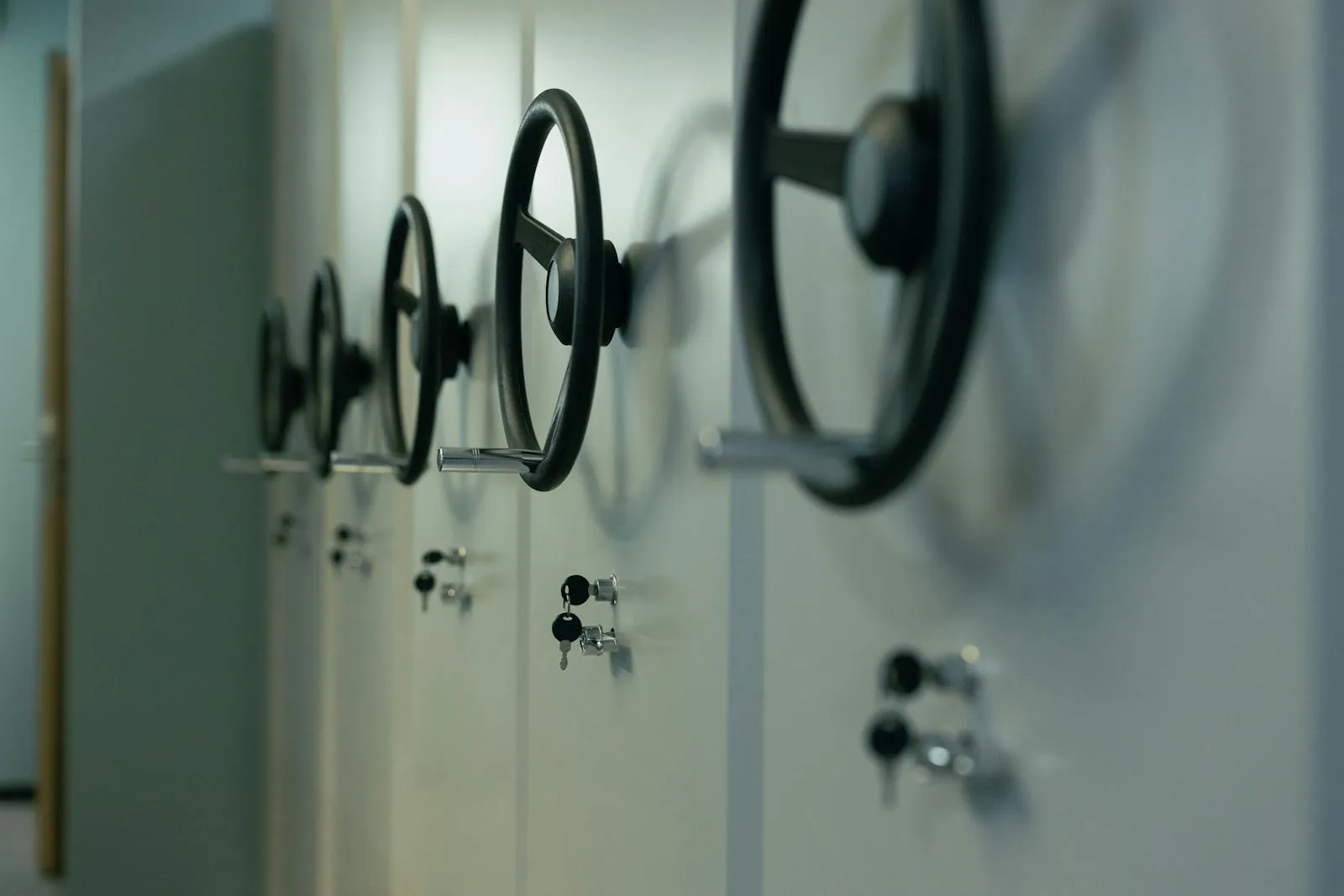


Protecting your firearms from theft is only half the battle; surviving a catastrophic house fire requires specialized defense. What is the best fireproof gun safe? It is a heavily insulated security vault engineered to withstand extreme temperatures while preventing the combustion of firearms, ammunition, and critical documents inside. Finding the right balance between maximum disaster protection and rapid biometric access is the core of a modern defense-in-depth strategy.
What is a Fireproof Gun Safe?
We may earn a commission from links on this page. This doesn't affect our editorial independence — all opinions are our own.

A fireproof gun safe is a heavily insulated security vault designed to protect firearms and valuables from extreme temperatures. Certified models are rated to withstand residential fires for 30 to 60 minutes while keeping internal temperatures below the combustion point of paper (451°F) and the cook-off threshold of most ammunition.
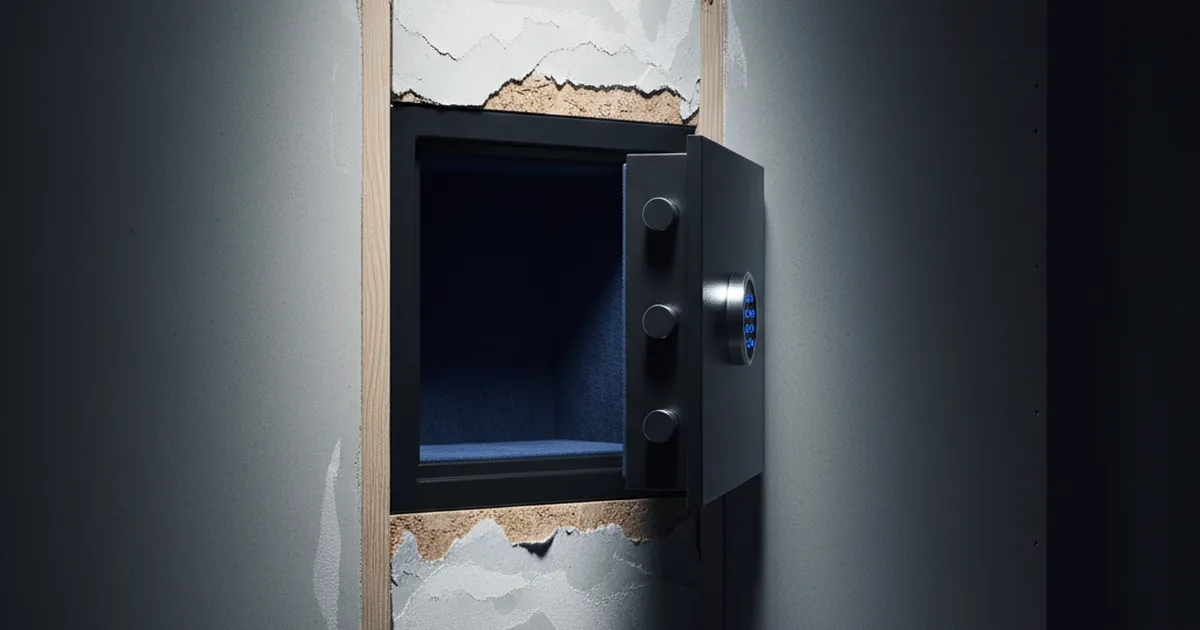
The key difference between a standard gun safe and a fireproof one comes down to insulation and door engineering. Fireproof safes use thick layers of fire-resistant material — typically gypsum board or concrete composite — packed between steel walls to slow heat transfer dramatically.
How Fire Ratings Actually Work
A 30-minute rating means the safe's interior stays below the damage threshold during a half-hour burn at temperatures that can exceed 1,200°F to 1,700°F — the range of a typical house fire. A 60-minute rating buys double that window, which matters because most residential fires take 45 to 60 minutes for fire departments to suppress.
One feature that separates quality fireproof safes from budget models is the expanding heat seal. This gasket lines the door frame and expands when exposed to heat, blocking smoke, flames, and hot gases from entering through the gap — a detail you won't find on standard steel gun cabinets.
What Fireproof Ratings Look Like in Practice
| Fire Rating | Max External Temp | Example Product |
|---|---|---|
| 30 minutes | 1,400°F | BASALT 30 (holds 30 rifles, $1,299) |
| 45 minutes | 1,400°F | BASALT 14 (holds 14 rifles, $1,199) |
| 60 minutes | 1,700°F | BASALT XS ($307.99) |
In a real fire, the difference between a fireproof safe and a non-rated steel cabinet is stark — contents in unrated cabinets routinely ignite within minutes of fire exposure, while rated safes keep paper and firearms intact through the full burn window.
Understanding how these safes survive extreme heat is just the first step; you also need to ensure your home can physically support their massive weight.
How Do You Evaluate Fire Ratings and Floor Load Capacity?
Evaluating a fireproof safe requires looking beyond the fire rating label. High-capacity fireproof vaults packed with thick fireboard insulation often exceed standard residential joist weight limits when fully loaded — and that's a structural problem no fire rating can solve.
Step 1: Decode the Fire Rating
Fire ratings tell you two things: temperature threshold and duration. The BASALT 14 ($1,199), for example, withstands up to 1,400°F for 45 minutes — enough to survive most residential fires, which typically peak and recede within 30–45 minutes.
The BASALT 30 ($1,299) holds 30 rifles but drops to a 30-minute rating at the same 1,400°F threshold. More capacity doesn't automatically mean more protection. Compare ratings side by side before assuming a larger safe is safer.
| Model | Price | Capacity | Fire Rating | Temp Threshold |
|---|---|---|---|---|
| BASALT 14 | $1,199 | 14 rifles | 45 minutes | 1,400°F |
| BASALT 30 | $1,299 | 30 rifles | 30 minutes | 1,400°F |
Step 2: Understand the Weight Penalty of Fireboard
Fireboard insulation is dense. A large rifle safe with full fireboard lining can weigh 500–800 lbs empty — add 14 long guns, ammunition, and accessories, and you're easily pushing past 1,000 lbs.
Most residential floors are engineered for roughly 40–50 lbs per square foot of live load. A heavy safe concentrated on four small feet can exceed that limit in a single spot, so the floor-load math below matters before you place a loaded vault upstairs.
Step 3: Calculate Your Floor Load
- Find the safe's footprint in square feet (length × width in inches ÷ 144).
- Add total loaded weight: safe + firearms + contents.
- Divide total weight by footprint to get lbs per square foot.
- Compare against your floor rating: most residential second floors support 40 lbs/sq ft; concrete slabs handle far more.
- Place on ground floor or concrete slab whenever possible for large safes. If placing on a wood-framed second floor, consult a contractor.
Step 4: Verify Third-Party Testing
Look for UL or ETL certification on fire ratings — not just manufacturer claims. Third-party testing means the rating was validated under controlled conditions, not estimated from materials alone.
A shorter certified rating beats a longer uncertified one every time. When in doubt, prioritize verified duration over advertised capacity numbers.
While heavy insulation provides important fire resistance, it can also create a dangerous delay when you need your firearm immediately.
What Is the Time-to-Access Trade-Off in Fireproof Safes?
The traditional trade-off in fireproof safes is straightforward: heavier insulation and thicker steel doors slow down emergency access, but modern hybrid systems eliminate this compromise by integrating split-second biometric scanners directly onto fire-rated chassis.
Fireproof insulation adds real mass. A safe rated to withstand 1,200°F for 30 minutes requires thick gypsum board or ceramic wool layers packed between steel walls — and that weight translates directly into door resistance. In a home invasion scenario, every extra second matters.
Older fireproof designs relied on keypad or key-lock entry. Under stress, punching a code correctly takes 8–15 seconds for most people. A key lock is worse — fumbling in darkness adds even more delay.
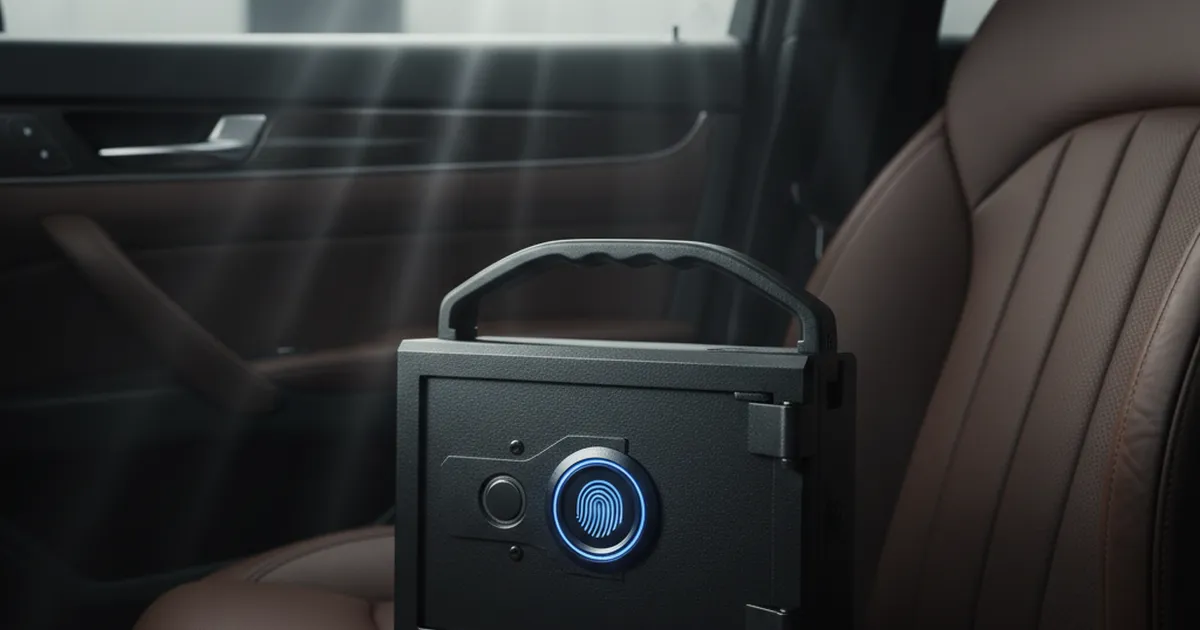
Biometric integration changes the equation. The GLACIER S Biometric Fireproof Safe ($450) pairs half-hour fire protection with a fingerprint scanner for rapid entry. You get vault-level fire protection with quick biometric access — not one or the other.
The GLACIER Medium ($550) scales this up to 1.64 cubic feet while maintaining the same half-hour, 1,200°F fire rating and fingerprint entry. Both models use two solid-steel locking bolts and a pry-resistant recessed door, so the fire-rated construction doesn't sacrifice physical security either.
| Safe Type | Entry Method | Estimated Access Time | Fire Rating |
|---|---|---|---|
| Traditional keypad fireproof | PIN code | 8–15 seconds | Varies |
| Key-lock fireproof | Physical key | 15–30 seconds | Varies |
| GLACIER S Biometric Fireproof | Fingerprint | Seconds | 30 min / 1,200°F |
The practical outcome: you don't choose between protecting your firearms from fire and reaching them fast. A biometric fire-rated safe delivers both — which is exactly the outcome most gun owners are paying for.
Balancing this need for speed with maximum fire protection requires choosing a safe specifically tailored to your home defense plan.
Which Are the Best Fireproof Gun Safes for Different Defense Strategies?
The best fireproof gun safe depends on your specific defense-in-depth strategy, ranging from high-capacity 60-minute vaults for primary long gun storage to compact biometric fireproof units for rapid bedside access. The TactiBeaver lineup offers solutions ranging from heavy-duty vaults to quick-access bedside units. Matching the safe to the role — not just the budget — is what separates a good purchase from a great one.
Strategy 1: Primary Long Gun Vault (Maximum Fire Protection)
If your priority is protecting a rifle collection from both theft and fire, you need certified 60-minute fire resistance and serious interior volume. Sixty minutes of certified fire protection gives your collection a fighting chance when every second counts — most residential fires peak and begin suppression within that window.
The TactiBeaver BASALT XS Keypad Fireproof Safe ($308, 0.54 cu ft) handles documents and handguns at this rating. For long guns at scale, the BASALT 30 Pro ($1,599) holds 30 rifles with the same 1-hour protection at 1,400°F.
Strategy 2: Mixed-Use Fireproof Storage (Documents + Handguns)
Owners who store passports, cash, and a handgun together need interior flexibility more than raw capacity. The BASALT S Fireproof Safe Vault ($798, 3.51 cu ft) offers 30-minute fire resistance at 1,400°F with a keypad lock — enough space to organize both firearms and critical documents on separate shelves.
The trade-off versus the BASALT XS is fire duration: 30 minutes instead of 60. For most suburban homes where fire response averages under 8 minutes, 30-minute certification is a defensible choice at a lower price point.
Strategy 3: Rapid-Access Fireproof Safe (Bedside or Office)
Speed matters when a safe is your first line of defense. The TactiBeaver GLACIER Biometric Fireproof Safe Medium ($550, 1.64 cu ft) pairs fingerprint access with 30-minute fire protection at 1,200°F — a combination rarely found under $600.
On comparable biometric units, a stored fingerprint registers almost instantly. That fast response is the entire point of a bedside safe.
| Safe | Strategy | Fire Rating | Cubic Ft | Access | Price |
|---|---|---|---|---|---|
| BASALT XS | Document + handgun vault | 60 min / 1,700°F | 0.54 | Keypad | $308 |
| BASALT S | Mixed-use primary safe | 30 min / 1,400°F | 3.51 | Keypad | $798 |
| GLACIER Medium | Rapid-access bedside | 30 min / 1,200°F | 1.64 | Biometric | $550 |
How These Compare to Liberty and SentrySafe
Most shoppers cross-shop the established names, so here is the honest comparison. Liberty Safe — its Centurion line runs around $1,000–$1,200 (libertysafe.com) — is the brand-pedigree pick: US-made, a lifetime warranty, and strong resale. The trade-off is fire duration: Centurion models certify to roughly 30–40 minutes where the TactiBeaver BASALT line reaches 60, and Liberty offers no biometric at this tier. SentrySafe is the budget, buy-it-at-Home-Depot option — long-gun fire safes run around $350–$450 — but it uses lighter steel and shorter certified fire protection. The TactiBeaver picks sit between the two: stronger certified fire ratings and biometric access than the mass-market tier, at prices below Liberty's established-brand premium. For a layered setup, many owners pair a fire-rated vault here with a dedicated biometric bedside handgun safe for instant access.
How to Choose Your Strategy
- Prioritize fire duration if you live in a wildfire-prone area or a rural location with long emergency response times.
- Prioritize biometric access if the safe doubles as a home-defense staging point.
- Prioritize cubic footage if your collection will grow — buying too small is the most common regret among safe owners.
Once you've selected the right safe for your strategy, the next challenge is fitting your collection inside the heavily insulated walls.
How Can You Maximize Interior Density in Thick-Walled Safes?
Fireproof safes inherently lose internal volume to thick insulation, so maximizing interior density requires using modular foam and customizable shelving to efficiently organize long guns and handguns within the reduced cubic footage. The insulation that protects your firearms in a fire is the same material eating into your usable space — so every organizational decision matters.
Start With Modular Foam Cutouts
Pre-cut foam inserts let you shape the interior around your specific handguns rather than stacking them loosely. The TactiBeaver Customized Foam for FLINT Bedside Handgun Safe ($19.99) is a practical example — it fits any handgun configuration and prevents wasted dead space inside compact fireproof models.
Foam also protects finishes. A scratched slide or worn grip is a real cost when you're storing firearms long-term in a humidity-controlled environment.
Use Vertical Space Aggressively
Adjustable shelving converts a single open cavity into tiered zones — handguns on top, documents below, accessories on door-mounted pockets. Vertical stacking with proper dividers can meaningfully increase how much you store without adding a single cubic foot.
| Method | Space Gained | Cost |
|---|---|---|
| Modular foam inserts | Eliminates dead gaps between guns | ~$20 |
| Extra adjustable shelves | Adds tiered storage zones | ~$25 |
| Door-mounted pockets/hooks | Reclaims door interior surface | Often included |
Prioritize Door-Interior Storage
Most owners ignore the door's interior surface. Key hooks and net pockets — standard on several fireproof models — keep frequently accessed items off the main shelf, freeing floor space for long guns or additional handguns.
The outcome isn't a bigger safe. It's getting full utility from the safe you already own — which is exactly what thick-wall insulation costs you if you don't plan deliberately.
Conclusion: Implementing a Defense-in-Depth Strategy
The strongest fireproof gun safe setup pairs a heavy fireproof vault for your main collection with a fast-access bedside safe for your primary defensive handgun — two layers working together, not competing.
A Basalt Vault anchors your collection with rated fire protection, while a Flint Bedside Safe ($99.99) keeps your defensive tool within arm's reach. You don't sacrifice security for speed — you build both into separate, purpose-matched units.
Fire ratings, floor capacity, and interior density matter at the vault level. Sub-second access matters at the bedside. Matching the right safe to each job is what separates a real protection plan from a single point of failure.
In 2026, responsible ownership means thinking in layers. Lock the collection down. Keep one gun ready. That two-safe approach — heavy vault plus quick-access unit — is the most practical defense-in-depth strategy available to home gun owners today.
Shop Fireproof Gun Safes at TactiBeaver
Last reviewed April 18, 2026
Why Trust This Guide
Scope & Safe guides are written and reviewed by Marcus Reed and the Scope & Safe editorial team. Our recommendations are built on manufacturer specifications, published third-party data, and recognized testing standards — such as UL and ETL fire ratings — rather than manufacturer marketing, and every price and spec is verified against the seller's live product listing before we publish. We disclose our material connection to the brands we cover, including the Accufire and TactiBeaver stores — see our affiliate disclosure.
Video Guide
Fingerprint Safe Good or Bad? #gun #gunsafety #safetyfirst — Civilian Tactical
The Best Gun & Rifle Safe For Apartments, Offices, & Smaller Spaces - RS800i Review — Colion Noir Shorts


Frequently Asked Questions About Fireproof Gun Safes
Here are the most common questions regarding fire ratings, safe placement, and balancing disaster protection with home defense readiness.
What fire rating should a gun safe have to protect firearms?
Look for a minimum 30-minute rating at 1,200°F or higher — most house fires peak and begin cooling within that window. A 1-hour rating at 1,400°F or above gives meaningful extra margin if your home has heavy timber construction or delayed fire department response. Ratings below 30 minutes offer limited real-world protection and are better suited for document storage than firearms.
Does a fireproof safe also protect against water damage?
Not automatically — fire resistance and water resistance are separate ratings. Firefighting hoses can flood a safe's interior if the door seal fails under pressure. Check whether the model carries an independent water-resistance rating or IP certification. Some safes use intumescent door seals that expand in heat but do not block water intrusion, so confirm both protections before buying if flooding is a concern in your area.
Where is the best place to install a fireproof gun safe at home?
A ground-floor corner location — away from the garage and exterior walls — gives the best combination of structural support, concealment, and fire survivability. Basements are good for floor load capacity but can flood. Avoid upper floors where fire damage and floor collapse risk are higher. Bolting the safe to a concrete slab or floor joists is important regardless of location, since even heavy safes can be tipped or removed if left unanchored.
Can I access a fireproof gun safe quickly enough for home defense?
Yes, but fireproof safes are thicker and heavier than standard gun safes, which can slow access slightly. Biometric or keypad entry closes the gap — a fingerprint scanner on a fireproof model can open in under three seconds. Many owners keep a dedicated quick-access handgun safe bedside for immediate defense and store long guns in a fireproof safe for disaster protection. This two-safe approach handles both scenarios without compromise.
How much does a quality fireproof gun safe cost?
Expect to pay $300–$500 for a compact fireproof safe with 30–60 minutes of protection, and $800–$2,000 for full-size rifle safes with verified fire ratings. For example, a compact 0.54 cubic foot model with 1-hour fire protection at 1,700°F starts around $308, while a 14-rifle fireproof safe with 45-minute protection runs approximately $1,199. Safes under $200 rarely carry independently tested fire ratings — the price difference reflects real material and testing costs.
Are fireproof gun safe ratings independently verified?
The most reliable ratings come from UL (Underwriters Laboratories) and Intertek, both of which conduct standardized burn tests at defined temperatures and durations. Manufacturer-only claims without third-party certification carry no independent verification. Always check the product listing or spec sheet for a named testing body — a UL 72 Class 350 label, for instance, confirms the interior stayed below 350°F during the rated burn period, which is the threshold for paper and most electronic media survival.