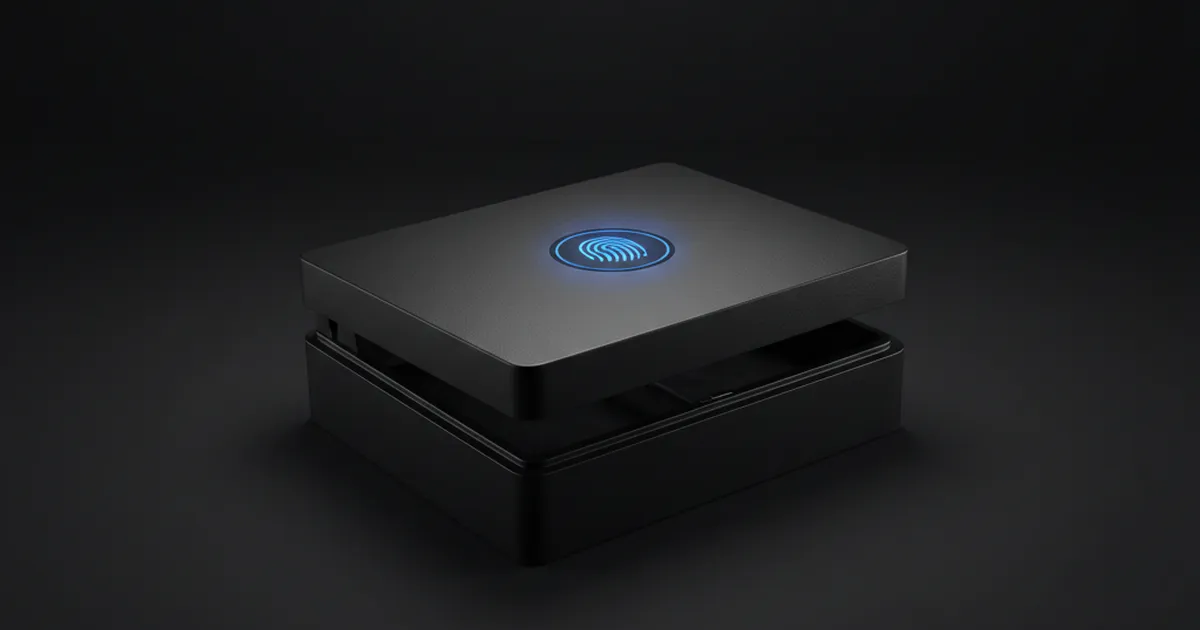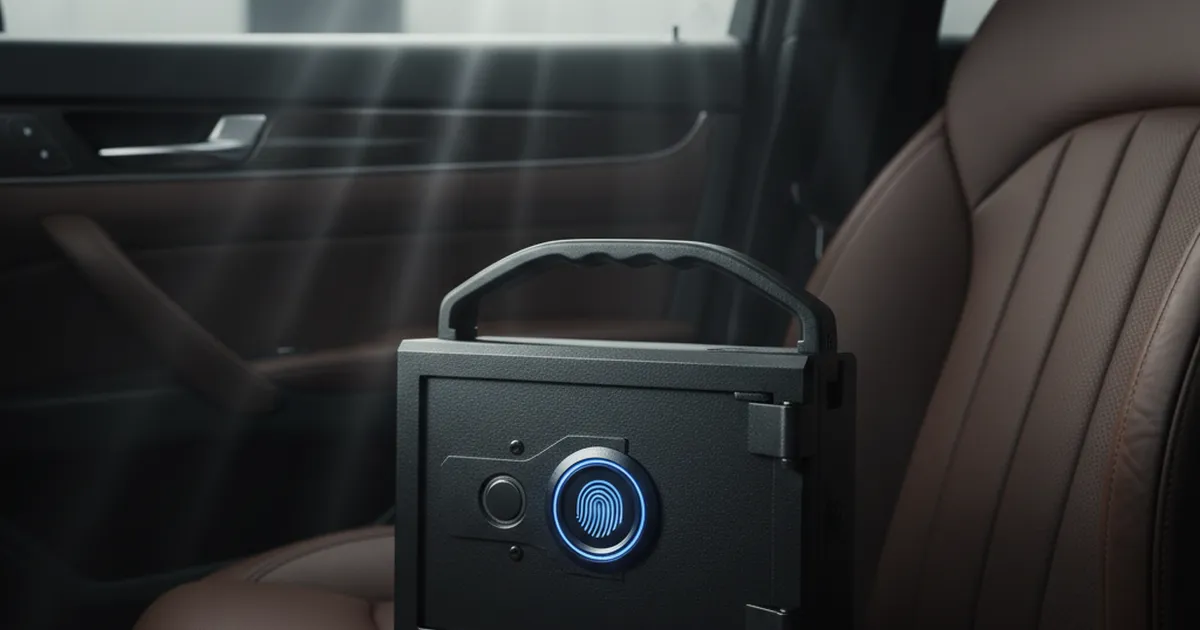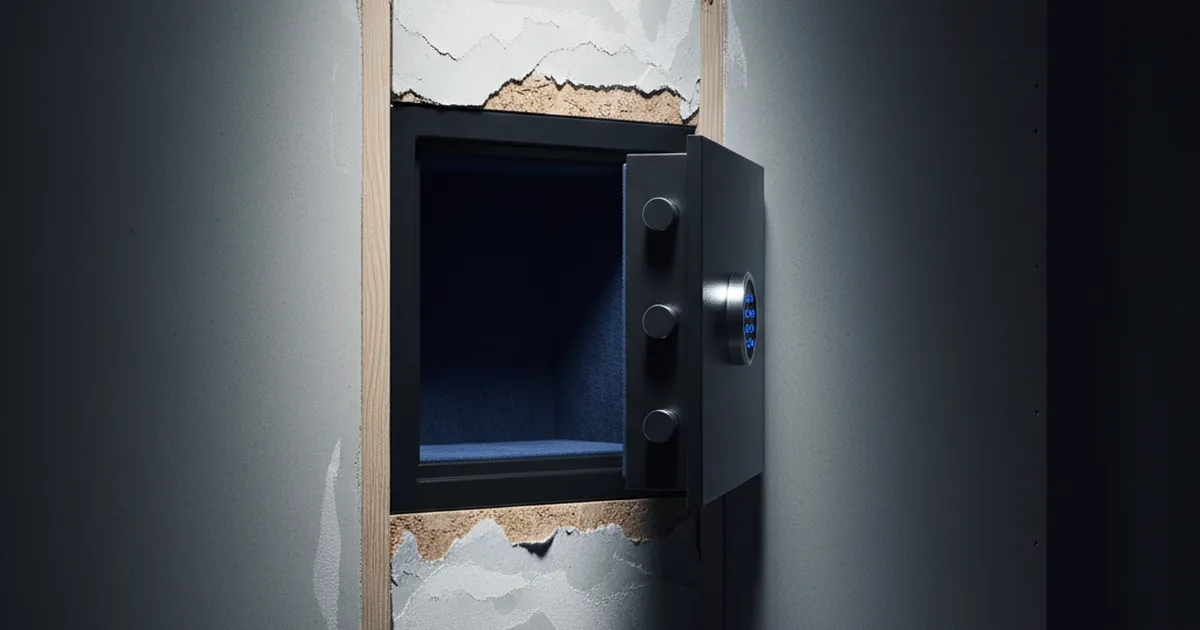

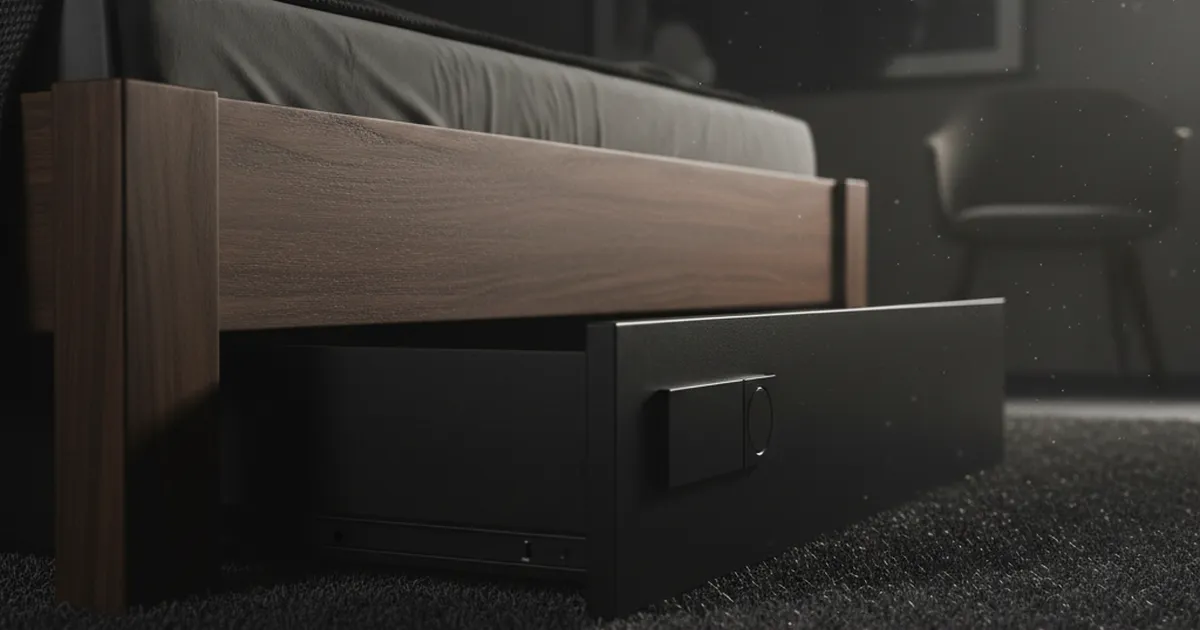

When things go bump in the night, the last thing you want is to be fumbling with a heavy upright vault across the room or struggling with a complex locking mechanism. Finding the best under bed long gun safe 2026 has to offer is about prioritizing rapid deployment, modular fitment, and immediate access from a prone position. If your primary home defense weapon isn't reachable within seconds, it's just an expensive paperweight.
What is an under bed long gun safe? It is a low-profile, horizontal steel security enclosure designed specifically to store rifles and shotguns flat beneath a standard bed frame. These units utilize slide-out drawers to provide immediate, concealed access to home defense weapons without requiring vertical clearance.
What is an Under Bed Long Gun Safe?
We may earn a commission from links on this page. This doesn't affect our editorial independence — all opinions are our own.

An under-bed long gun safe is a horizontal, low-profile steel enclosure built specifically to store rifles and shotguns flat beneath a standard bed frame — typically requiring no more than 5 to 7 inches of vertical clearance. That's the key difference from a standard horizontal lockbox: these units are engineered around rifle-length interiors (usually 48 to 55 inches) with a slide-out drawer mechanism, so you can pull the whole tray toward you from a prone or kneeling position.
That low-profile horizontal design keeps your primary home defense weapon completely hidden but instantly accessible from a prone position. A bedside pistol safe won't hold your AR or hunting rifle. A full upright gun cabinet won't fit under your bed. This category exists specifically in that gap.
The slide-out drawer is what separates a real under-bed safe from a glorified storage tray. Quality units use full-extension steel rails — you pull the drawer out, the rifle is right there, no digging around in the dark.
Key Takeaways
- Purpose-built dimensions: Under-bed long gun safes are designed around rifle-length interiors and low clearance requirements — standard upright safes simply don't fit this role.
- Slide-out access: Full-extension drawer mechanisms are what make these safes practical for nighttime retrieval — look for steel rails, not plastic guides.
- Clearance matters: Most standard bed frames offer 5 to 8 inches of ground clearance; confirm your measurement before buying.
- Security tier: Under-bed safes prioritize quick access over fire protection — if fire resistance is your priority, a unit like the BASALT 14 at $1,199 is a different category entirely.
- Hidden storage advantage: A rifle stored flat under your bed is invisible to casual observation, which matters both for theft deterrence and for households with children.
Understanding the physical dimensions is just the baseline; the real test of these safes comes down to how quickly you can get the weapon into the fight.
Rapid deployment ergonomics outrank steel gauge
Steel gauge matters — until it doesn't. A 10-gauge box that takes you 12 seconds to open in the dark is a storage locker, not a defensive tool. Speed and ergonomics win the real-world scenario every time.
Poorly designed safe doors are easy to fumble under stress. Hands shaking, low light, adrenaline spiking — a heavy, unbalanced door that swings out and catches on the bed frame turns a 3-second draw into a 15-second disaster. Under threat response, your body's fine motor skills degrade sharply, so the mechanical interface between you and your rifle has to compensate.
The industry consensus on steel is 14-gauge minimum. That's a reasonable baseline — it resists pry attacks and casual tampering without adding so much mass that the drawer becomes sluggish. Going thicker than that for an underbed safe is mostly a marketing number unless you're storing something a burglar will spend 20 minutes on.
What actually determines your outcome in a home defense scenario is the draw path. An ergonomic slide-out drawer lets you access your rifle without breaking physical cover or taking your eyes off the bedroom door. A hinged lid or outward-swinging door forces you to reposition your body, shift your sightline, and use both hands just to get the safe open.
The geometry of your bed matters too. Most platform beds leave 4 to 6 inches of clearance. A safe with a top-mounted keypad and a vertical-swing door needs clearance you don't have. A low-profile drawer with a side-mounted biometric pad solves that problem before it starts.
The difference between a smooth-rolling drawer and a stiff one doesn't sound like much until you're trying to do it one-handed at 2 a.m. That's not a comfort complaint — that's a functional failure under realistic conditions.
Buy enough steel to stop a pry bar. Then spend the rest of your evaluation budget on how fast and naturally the safe opens when your hands are cold, your heart rate is 140, and the lights are off.
Once you have a safe that opens quickly, the next critical step is ensuring the rifle inside is positioned perfectly for your grip.
Configuring modular foam for modern rifles
Fixed foam is a liability the moment you mount an optic or hang a light on your rifle. The cutout that fit your bare carbine now forces you to either remove accessories or jam the gun in at an angle — and an angled rifle in the dark means your hand lands somewhere unexpected when you need it most.
Modular high-density foam solves this by letting you customize the layout to fit rifles with various optic heights and accessory configurations without the weapon shifting. Here is how to do it right.
-
Lay the rifle in as you intend to store it — accessories attached.
Optic mounted, light on, sling attached if you run one. This is the configuration you'll grab in an emergency, so configure the foam around that exact setup.
-
Trace the full profile, not just the receiver.
Use a marker to outline the optic height, the light body, and any rail extensions. Most shooters only trace the stock and barrel and then wonder why the rifle rocks side to side.
-
Pull foam in layers, not all at once.
High-density modular foam typically comes in peel-and-pull segments. Remove one layer, test the fit, then go deeper. Removing too much in one pass leaves a sloppy channel that lets the gun shift — which defeats the whole point.
-
Verify zero-movement with a firm shake test.
Close the safe, shake it side to side. If you hear the rifle move, pull one more segment in the loose zone. Lateral movement is the most common foam configuration mistake — and the easiest to fix before it matters.
-
Account for a secondary pistol or magazine slot.
Under-bed safes like the TactiBeaver BEDROCK ($279) include modular foam specifically so you can carve a pistol pocket alongside the rifle channel. Set that up at the same time — not as an afterthought — so both weapons are oriented grip-first for a clean draw.
The grip orientation piece matters more than most people think. A rifle whose stock sits even two inches off your expected contact point is easy to fumble in the dark. Foam that holds the weapon exactly where you trained to find it is not a comfort feature — it is a functional requirement.
One practical note: if your rifle runs a 45-degree offset red dot or a magnifier, those add-ons change the foam depth you need on one side of the receiver. Trace them individually and pull foam asymmetrically. A level rifle in a level channel is the goal.
Want to see exactly how much modular foam clearance you have to work with? Check out the technical specs on the Bedrock product page to map out your rifle's fitment.
A perfectly configured interior only matters if the locking mechanism lets you reach it reliably under pressure.
Biometric vs. Mechanical: Which Opens Faster in the Dark?
Capacitive biometric sensors win. Not by a small margin — by enough that the debate shouldn't take long once you've actually tried both at 0200 with your heart rate elevated.
A quality capacitive sensor reads your fingerprint in roughly 0.5 seconds. You press, it opens. No counting digits on a keypad, no spinning a dial, no fumbling for a key you stored somewhere sensible six months ago. Your hands go straight to the rifle.
Why Capacitive Beats Optical for Stress Access
Optical scanners read the surface image of your finger. Sweat, lotion, or a small cut degrades that image enough to cause a rejection. Capacitive sensors read the electrical pattern beneath the skin surface, which means a sweaty or slightly dirty finger still registers cleanly.
Under physiological stress, fine motor skills degrade fast. Keypad entry requires you to hit 4–6 specific targets in sequence. That's a problem when your hands are shaking.
Where Mechanical Locks Still Make Sense
Mechanical keypads have one real advantage: no battery dependency. A dead battery at the wrong moment is a genuine failure mode, not a theoretical one. It happens to owners who store a safe for months without checking power.
The answer is a biometric primary with a physical key backup — not a mechanical-only lock on a bedside safe. That combination gives you speed when it counts and a fallback when it doesn't.
Real-World Feedback on Scanner Reliability
The complaint pattern on optical-scanner safes is consistent — scanners that stop reading reliably after a few months, forcing owners back to the key. That's exactly the failure mode that makes optical a poor choice for rapid deployment. Biometric rejections also tend to spike after physical activity, exactly when you'd need access most.
For under-bed long gun storage in 2026, capacitive biometric is the right primary access method. The 0.5-second read time isn't a spec sheet number — it's the difference between a usable defensive tool and a box you're fighting with in the dark.
While access speed dictates your immediate response, the physical environment under your bed dictates the long-term survival of your safe and weapon.
Managing floor-level environmental integrity
The floor directly under your bed is one of the worst micro-environments in a house — dust accumulates faster, humidity pools near baseboards, and temperature swings are sharper than at standing height. Slide a 60-pound steel safe onto bare hardwood and leave it there for two years, and you will find rust blooms on the bottom plate, scratched flooring, and drawer slides that bind because the chassis has shifted out of level.
Floor-load distribution is the part nobody talks about until the slides start sticking. An under-bed safe concentrates significant weight across a narrow footprint. If that footprint sits unevenly — one corner on a seam between floorboards, another slightly lower — the frame racks over time. Racked frames mean misaligned drawer tolerances, and misaligned drawers mean slow retrieval at the worst possible moment.
Leveling and Surface Protection
Start with a 1/4-inch rubber anti-vibration mat cut to the safe's footprint. It distributes weight evenly, prevents floor scratches, and adds meaningful grip. Check level with a basic bubble level before you bolt anything down — front-to-back and side-to-side.
On carpet, the problem reverses: the safe sinks unevenly into pile over time. A thin plywood sheet under the mat solves this. It spreads load across more carpet fibers and keeps the chassis geometry stable.
Bolt-Down and Tamper Security
Hardened steel bolt-down points with an anti-tamper alarm keep the unit anchored to your floor, preventing unauthorized removal while alerting you to any tampering attempts. Use 3/8-inch lag bolts into floor joists — not just subfloor — for real holding strength. Drywall anchors into plywood are a shortcut that fails under pry-bar force.
Moisture is the slow threat. A small rechargeable dehumidifier rod inside the safe handles interior condensation. Outside the safe, silica gel packets placed near the front corners of the mat address the ambient humidity that collects at floor level.
Long-Term Maintenance Cadence
Every six months, pull the safe out and inspect the bottom plate and bolt holes for surface rust. A light coat of paste wax on the exterior steel bottom adds a barrier without attracting dust. Wipe the drawer slides with a dry cloth — no oil, which attracts grit — and confirm the chassis is still level after seasonal wood movement shifts your floor.
Ignore this and you are not just dealing with cosmetic rust. You are dealing with a safe that binds at 0200 when you need it open in under three seconds.
Curious about how anti-vibration mats and leveling systems integrate with a low-profile chassis? View the Bedrock product page for detailed environmental and mounting specifications.
Balancing these environmental factors with rapid access ultimately leads us to a clear set of priorities for your bedside security.
Conclusion: The No-Nonsense Verdict on Under Bed Safes
Pick the safe that fits your actual bed clearance, holds your actual rifles, and opens fast enough that you won't fumble it under stress. Everything else is secondary.
Steel gauge matters less than drawer travel and access angle. A biometric that reads clean in under two seconds beats a four-bolt vault you can't open in the dark. Shooters who practice dry runs with their bedside setup are consistently faster than those who buy heavier steel and never practice.
Measure your bed clearance before you buy anything. Most platform beds run 4–6 inches of usable space; a purpose-built underbed unit like the BEDROCK ($279) is designed around that constraint. A standard rifle safe shoved sideways is not.
Budget matters, but don't cheap out on the drawer mechanism or the lock. Those are the two most common points of failure. Spend there, save elsewhere.
Your safe is one layer of a security plan — cable anchor, consistent locking habits, and knowing your local storage laws round it out. Get the geometry right, practice the access, and you'll sleep better knowing the rifle is both secured and reachable. If you are ready to upgrade your bedside security, head over to the Bedrock product page to review the full technical specs and ensure it fits your setup.
Last edited April 23, 2026
The Picks: Biggest Box vs Fastest Access
The established name in under-bed storage is SnapSafe — its Under Bed XXL (around $500–$610) is a big 14-gauge keypad drawer that swallows a rifle collection. But this guide's whole argument is that rapid deployment beats raw steel gauge for a bedroom safe, and that's where the TactiBeaver BEDROCK ($279) pulls ahead: biometric fingerprint access for instant deployment, room for up to two long guns, at roughly half the price. Want the biggest steel box? SnapSafe. Want the fastest 2 a.m. access for the money? BEDROCK.
Why Trust This Guide
Scope & Safe guides are written and reviewed by Marcus Reed and the Scope & Safe editorial team. Our recommendations are built on manufacturer specifications, published third-party data, and recognized testing standards — such as UL and ETL fire ratings — rather than manufacturer marketing, and every price and spec is verified against the seller's live product listing before we publish. We disclose our material connection to the brands we cover, including the Accufire and TactiBeaver stores — see our affiliate disclosure.


Watch: under-bed safes tested on camera
The Best Gun & Rifle Safe For Apartments, Offices, & Smaller Spaces - RS800i Review — Colion Noir Shorts
Top 4 Safes Under $200 and Safe FAILS To Avoid — eXoc Tactical
Frequently Asked Questions
What clearance do I need under my bed for a long gun safe?
Most under-bed long gun safes sit between 4 and 6 inches tall when closed. Measure your floor-to-frame gap before ordering — a 5-inch safe in a 4.5-inch gap is a paperweight. Standard platform beds typically offer 6–8 inches of clearance, but beds with box springs often run tighter. Confirm the external height spec, not the internal capacity figure, which is what most listings lead with.
How many rifles fit in an under-bed long gun safe?
Most under-bed formats hold 2–4 long guns lying flat, depending on whether optics are mounted. A rifle with a scope and a 30-round magazine takes up significantly more lateral space than a bare carbine. If you're storing AR-pattern rifles with glass, plan on 2 per tray, not 4. Capacity claims on product listings almost always assume stripped guns — account for your actual configuration before buying.
Is biometric or keypad faster for under-bed access in the dark?
A well-placed keypad with a backlit pad is more reliable at 0300 than a biometric scanner reading a sweaty or half-asleep finger. Biometrics are faster when they work — typically under a second — but failure rates climb with poor finger placement and low-light conditions. The safer choice: if you go biometric, make sure the safe has a keypad or key backup. Single-access-method safes are a liability when stress degrades fine motor skills.
Do under-bed long gun safes need to be bolted down?
Yes — an unanchored safe is a theft risk, full stop. A determined person can drag a lightweight under-bed safe out in under a minute. Most quality units include pre-drilled anchor points and hardware. Bolt through the subfloor if possible; if you're on a slab or can't penetrate the floor, use a security cable looped through a floor joist or bed frame. Weight alone does not substitute for mechanical anchoring.
Will humidity damage rifles stored in an under-bed safe?
Floor-level storage runs cooler than the rest of the room, which means condensation is a real issue — especially in humid climates or finished basements. Drop a small rechargeable dehumidifier rod inside and check it every 30 days. Neglected storage causes more corrosion than actual use. Keep relative humidity inside the safe below 50 percent and you'll have no problems long-term.
What steel gauge should an under-bed long gun safe have?
14-gauge steel is the practical minimum for a safe worth owning in 2026 — anything thinner yields to a pry bar faster than you'd expect. Heavier 12-gauge construction adds meaningful resistance and weight, which itself deters casual theft. The door matters as much as the body: look for a recessed door design and at least two solid locking bolts. A thin door on a thick body is a common cost-cutting move that undermines the whole unit.